

WigSay Journal · Consultation issue 01
AI Hairstyle Changer for Realistic New Looks
Choose by silhouette, upkeep and the questions you need answered in the chair.

A haircut reference is useful only when it survives contact with your texture, routine and stylist.
WigSay turns an appealing image into a small, honest shortlist. You compare what changes, what the cut asks of you, and what a professional still needs to confirm.
Style board
Save the cuts worth discussing
Filter by the way you live with your hair. Pick up to three looks, then compare the practical questions behind the pictures.

Textured pixie

Curly lob

Soft shag

Curtain layers
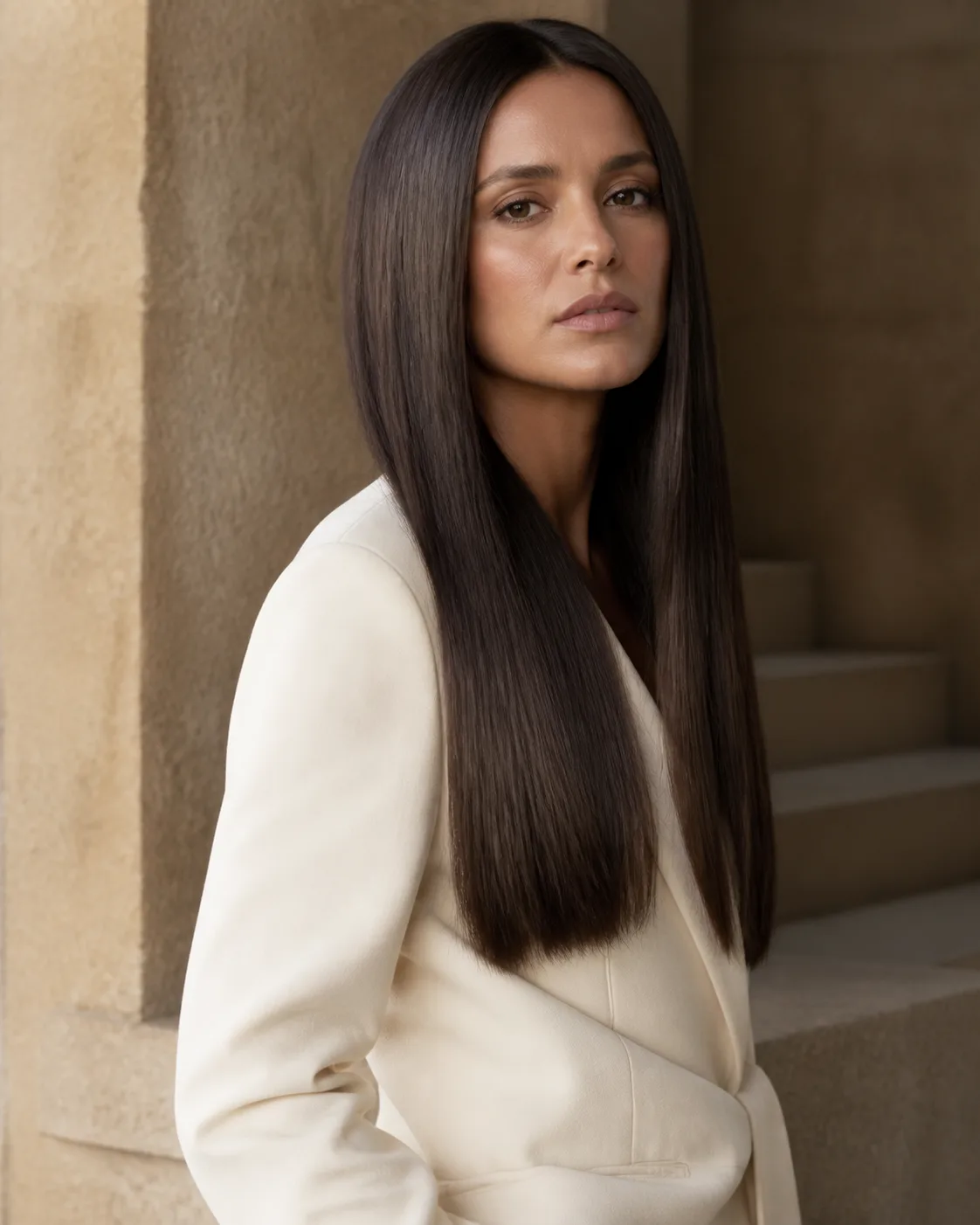
Sleek long
No looks match every filter. Loosen one choice and try again.
The WigSay method
Notice the outline
Look past styling and makeup. Read where the cut holds weight around the face, jaw and shoulder.
Price the routine
Trim rhythm, heat, product and morning time belong in the decision before the salon visit.
Ask the useful question
Bring the shortlist to a stylist who can judge density, growth pattern, condition and technique.
WigSay is an ai hairstyle changer for the part of a haircut decision that a convincing picture often skips: silhouette, texture, upkeep, and the questions a stylist still needs to answer. The current release is a visual style board. It offers six editorial references, filters them by length, texture, maintenance, and mood, and lets a visitor save three looks for comparison. It does not ask for a selfie or alter a portrait.
Choosing a hairstyle should begin with seeing the decision
WigSay is built around a simple idea: choosing a hairstyle should begin with seeing, not guessing. “Wig” makes the category immediately familiar, while “Say” reflects the confidence to express a choice clearly. The board turns a vague preference into a useful visual conversation without pretending that a reference model predicts another person’s result.
That promise is narrower than a magical makeover. A hairstyle decision includes appearance, hair behavior, upkeep, professional feasibility, and the language used to explain the goal. Even an excellent image preview can hide the effect of density, cowlicks, shrinkage, chemical damage, heat styling, extensions, or a reference model’s lighting. WigSay therefore starts with the questions that remain valuable whether the final consultation uses a sketch, a reference board, a future image model, or a face-to-face conversation.
Start with one change and one protected boundary
Useful comparisons begin by separating the desired change from everything that should stay stable. You might want shorter length while preserving enough hair for a ponytail, more face framing without a fringe, or a dramatic crop that still works with your morning routine. State the primary change, the shortest or longest acceptable landmark, the texture you normally wear, and one outcome you want to avoid.
The style board turns those constraints into a reviewable shortlist. It does not decide what is attractive. Each saved card names the silhouette and one question to take into a consultation. Consistent criteria make it harder for one glamorous reference photograph to win merely because its lighting, makeup, pose, or finish is better.
Example: A person with shoulder-length waves wants a collarbone cut but needs to tie it back for exercise. A useful WigSay comparison keeps the tie-back boundary visible, contrasts a blunt lob with a softly layered version, records whether curtain bangs are optional, and asks how natural shrinkage changes the dry length. The output is a better salon brief, not a prediction that either cut will look identical to a reference image.
Explore focused tools without mixing every decision
The hairstyle changer is the broad starting point. The haircut simulator compares levels of commitment. The short-hair and long-hair filters focus on length-specific tradeoffs. Face-shape worksheets organize proportions without claiming biometric certainty. Virtual try-on routes help visitors compare options using the same occasion, maintenance, and fallback criteria. Keeping these tasks separate prevents cut, color, face shape, extensions, and styling from becoming one unreviewable recommendation.
The main board is intentionally tactile: filter, save, remove, compare. It measures whether a small set of strong references and concrete questions can move someone from “maybe shorter” to a decision another person can understand. It does not measure model realism or salon outcomes.
Use the result with a professional consultation
Bring the strongest option, the protected boundary, and the unresolved questions to a stylist. Ask what the reference assumes about density, texture, product, heat, extensions, color, and maintenance. If the preferred look is not feasible, use the fallback to preserve the main goal rather than restarting the discussion from scratch. A good consultation may change the plan after examining the hair in person.
Hair and scalp health questions sit outside this site. WigSay does not diagnose hair loss, irritation, damage, or medical conditions. It also does not verify the licensing or suitability of a service provider. Where cutting, shaving, chemical processing, or extension work raises concerns, seek qualified professional guidance.
What is available now
The present website includes a six-look editorial board, local filters, a three-look comparison, and focused planning pages. The photographs show different adult models under natural light; they are references, not simulated results. The site has no login, billing, upload endpoint, remote generation, advertising tracker, or saved project.
The first test is simple: can a visitor compare three directions and leave with a clearer salon conversation? A useful board ends with a protected boundary, an honest view of upkeep, and questions that cannot be answered from a photograph.
Frequently asked questions about WigSay
Can I upload a selfie to WigSay?
No. The current release accepts text only. It does not upload, inspect, transmit, or store portraits.
Does WigSay generate a realistic new hairstyle?
No. It provides an editorial lookbook and a local comparison board. The models are references, not transformations of the visitor.
Is a face-shape or hairstyle recommendation definitive?
No. Shape labels and style suggestions are aids for exploration. Preferences, hair behavior, maintenance, professional feasibility, and health considerations remain decisive.